

Yo, what's up everyone! I'm running a business as a black - related products supplier, and today I wanna talk about black - related sculptures. These sculptures are not just pieces of art; they're a powerful way to express culture, history, and emotions.
Let's start with the cultural significance of black - related sculptures. Throughout history, black communities around the world have used sculptures to tell their stories. In Africa, for example, traditional sculptures are often used to represent ancestors, gods, and important cultural values. These sculptures can be made from a variety of materials like wood, stone, and clay. Each piece is unique, with its own style and meaning.
One type of African sculpture that really stands out is the mask. African masks are used in ceremonies, dances, and rituals. They can represent spirits, animals, or even human emotions. The designs are incredibly intricate, with bold colors and detailed carvings. Some masks are meant to be worn, while others are displayed as art. For instance, the Dan masks from the Ivory Coast are known for their long, slender shapes and delicate features. They're often used in initiation ceremonies for young men.
Moving on to modern black - related sculptures, we see a lot of artists using their work to address social and political issues. In the United States, many black artists create sculptures that deal with themes like racism, equality, and the black experience. These sculptures can be found in public spaces, museums, and galleries.
One well - known modern black sculptor is Augusta Savage. She was an important figure in the Harlem Renaissance, a cultural movement in the 1920s and 1930s that celebrated black art, music, and literature. Savage's sculptures often depicted black people in powerful and dignified poses. Her most famous work, "The Harp," was a large - scale sculpture that represented the black community as a musical instrument, with each person playing a part in creating a beautiful sound.

Another contemporary artist is Alison Saar. Her sculptures often combine different materials and incorporate elements of African and African - American culture. Saar's work can be both beautiful and disturbing, as she uses her art to explore themes like violence, gender, and identity.
Now, let's talk about the materials used in black - related sculptures. As I mentioned earlier, traditional African sculptures are often made from wood, stone, or clay. Wood is a popular choice because it's easy to carve and can be found in abundance in many parts of Africa. Stone sculptures, on the other hand, are more durable and can last for centuries. Clay sculptures are often used for smaller, more detailed pieces.
In modern times, artists are also using a wider range of materials, including metal, glass, and recycled materials. For example, some artists use old car parts or scrap metal to create sculptures that have a modern and edgy look. These sculptures can be very striking and add a new dimension to the world of black - related art.
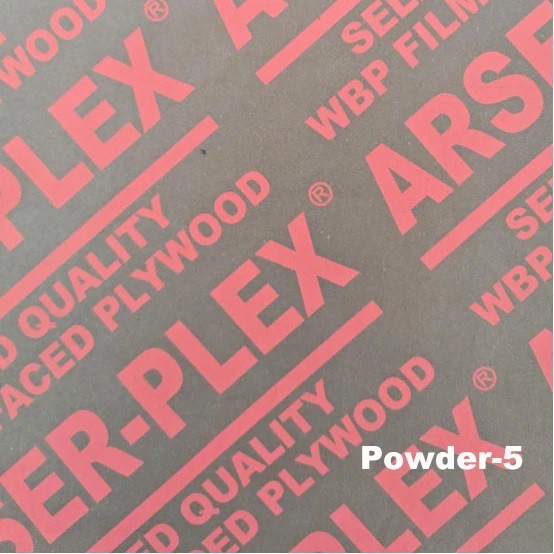
As a black - related products supplier, I offer a variety of items related to these sculptures. One of the products I have is the Black Film Face Paper. This paper can be used in many ways, such as for creating art projects inspired by black - related sculptures. You can use it to make masks, or to add a unique touch to your own sculptures.
If you're interested in purchasing black - related sculptures or related products, I'd love to talk to you. Whether you're an art collector, a museum curator, or just someone who appreciates the beauty and significance of black - related art, I can help you find the perfect piece. Just reach out, and we can start a conversation about your needs and preferences.
In conclusion, black - related sculptures are a rich and diverse form of art that have a long and important history. From traditional African masks to modern sculptures that address social issues, these pieces offer a unique perspective on black culture and identity. As a supplier, I'm excited to be part of the industry and to share these amazing works of art with others. So, if you're thinking about adding some black - related sculptures or products to your collection, don't hesitate to get in touch. Let's start a dialogue and see how we can work together to bring these beautiful pieces into your life.
References
- "The History of African Art" by P. F. Bangura
- "Harlem Renaissance Art" by Richard J. Powell
- "Contemporary Black Sculptors" by various authors, published in art magazines