

Hey there! As a supplier of black-related products, I've got a whole lot to share about the physical properties of that mysterious and versatile color - black.
Let's start with the basics. Black is often described as the absence of color, or rather, the absorption of all visible light. When light hits an object, different materials interact with it in various ways. A black object absorbs almost all the wavelengths of light that fall on it. This is in contrast to white objects, which reflect most of the light. For instance, if you've ever worn a black T - shirt on a sunny day, you've probably noticed how much hotter it gets compared to a white one. That's because the black fabric is soaking up all that solar energy instead of bouncing it back.
One of the key physical properties related to black is its high absorbance. In the world of materials science, this property is extremely useful. Take black paint, for example. We use it in many applications where we want to reduce glare or control light. In photography studios, black - painted walls are common. They absorb stray light, preventing it from bouncing around and causing unwanted reflections in the camera lens. This helps photographers get that perfect, well - lit shot without any annoying halos or bright spots.
Another area where the absorbance of black comes in handy is in solar panels. Some advanced solar panel designs use black materials or coatings. Since black absorbs more light, it can capture more of the sun's energy. This means the panels can convert a greater amount of sunlight into electricity, making them more efficient. It's a simple yet powerful concept that can have a big impact on renewable energy production.
Now, let's talk about the emissivity of black. Emissivity is a measure of how well an object emits thermal radiation. Black objects are excellent emitters. When a black object absorbs light and heats up, it also radiates that heat away relatively quickly. This property is used in things like heat sinks in electronics. Heat sinks are designed to draw heat away from components like computer processors. A black - coated heat sink can absorb the heat from the processor and then radiate it into the surrounding air more effectively than a non - black one. This helps keep the electronics cool and prevents overheating, which can damage the components.
In the field of optics, black materials are used to create anti - reflection coatings. These coatings are applied to lenses, like those in glasses or cameras. By using a black - based coating, we can reduce the amount of light that reflects off the surface of the lens. This improves the clarity of the image and reduces glare. You know how annoying it is when you're taking a photo and there's a big reflection on the lens? Well, anti - reflection coatings made with black materials help solve that problem.
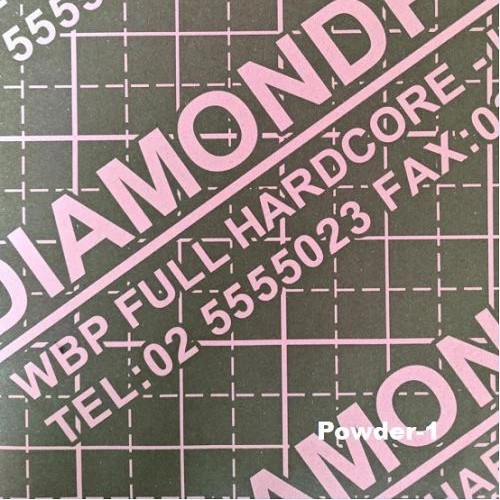
When it comes to our products, one of the popular items we offer is the Black Film Face Paper. This paper has some really interesting physical properties. The black color gives it high absorbance, which is great for applications where you want to block out light. It can be used in packaging for light - sensitive products, like photographic film or certain types of medications. The film face also provides a smooth and durable surface. It can resist scratches and wear, which is important for protecting the contents inside the packaging.
The texture of black materials can also vary widely. Some black materials are smooth, like a high - gloss black paint. This smoothness can give a sleek and modern look. On the other hand, there are also rough black materials, like black sandpaper. The roughness is useful for applications where you need to abrade or smooth other surfaces. For example, in woodworking, black sandpaper is commonly used to sand down rough edges and give the wood a smooth finish.

Black materials can also have different densities. For example, black rubber can have a relatively low density, making it lightweight and flexible. This makes it suitable for things like gaskets or seals. On the other hand, black metals like cast iron have a high density. They're heavy and strong, which is why they're used in applications where you need a lot of strength, like in engine blocks or construction.
In the world of fashion, black is a timeless color. From a physical property perspective, black fabrics can have different levels of stretch and breathability. Some black stretchy fabrics are made with spandex or elastane, which allows them to expand and contract. This is great for form - fitting clothing like leggings or sports wear. Other black fabrics are designed to be breathable, with tiny pores that allow air to pass through. This keeps the wearer cool and comfortable, especially in hot weather.
If you're in the market for black - related products, whether it's for industrial applications, photography, or fashion, we've got you covered. Our team is always ready to help you find the right product for your needs. We understand the unique physical properties of black and how they can be applied in different situations.
Whether you're looking for a black material with high absorbance for a solar project or a smooth - textured black fabric for a new clothing line, we can provide you with high - quality options. We've spent years sourcing and developing the best black products on the market, and we're confident that we can meet your requirements.
So, if you're interested in learning more about our products or want to start a procurement process, don't hesitate to reach out. We're here to answer all your questions and help you make the best choices for your projects. Contact us today, and let's start this exciting journey together!
References
- "Materials Science and Engineering: An Introduction" by William D. Callister Jr. and David G. Rethwisch
- "Optics" by Eugene Hecht
- Various industry reports on black - based materials and their applications