

When it comes to interior decoration and furniture manufacturing, the choice between E1 Melamine Paper and real wood is a crucial decision that can significantly impact the final look, durability, and cost of the project. As a supplier of E1 Melamine Paper, I have witnessed firsthand the growing popularity of this material in the market. In this blog post, I will delve into a detailed comparison of the texture between E1 Melamine Paper and real wood, exploring their unique characteristics, advantages, and limitations.
Understanding E1 Melamine Paper
E1 Melamine Paper is a type of decorative paper that is impregnated with melamine resin. It is known for its high durability, resistance to wear, stains, and scratches, and its ability to mimic the appearance of real wood. The "E1" classification indicates that the paper meets the European emission standards for formaldehyde, making it a relatively eco - friendly choice.
One of the key features of E1 Melamine Paper is its wide range of textures. Manufacturers can create various textures that closely resemble different types of real wood, such as oak, walnut, and cherry. These textures are achieved through advanced printing and embossing techniques. For example, the embossing process can create a three - dimensional effect, giving the paper a realistic feel similar to the grain and pores of real wood.
The Texture of Real Wood
Real wood has a natural and unique texture that is formed over time through the growth process of the tree. Each type of wood has its own distinct grain pattern, density, and surface feel. For instance, oak wood has a prominent, open grain pattern that gives it a bold and rustic appearance. The texture of real wood can vary from smooth and fine - grained, like that of maple, to rough and coarse - grained, like teak.
The natural texture of real wood provides a tactile experience that is hard to replicate. Running your hand over a piece of real wood reveals the irregularities and variations in the surface, which are a testament to its organic origin. However, this natural texture also means that real wood requires more maintenance. It can be easily damaged by moisture, scratches, and pests, which can affect its texture over time.
Comparing the Textures
Visual Texture
In terms of visual texture, E1 Melamine Paper has made significant strides in imitating real wood. High - quality melamine papers can reproduce the color, grain pattern, and even the knots and imperfections of real wood with remarkable accuracy. The printing technology used in manufacturing melamine paper allows for a consistent and detailed replication of the wood's appearance.
On the other hand, real wood offers a truly unique visual texture. No two pieces of real wood are exactly the same, which can add a sense of authenticity and character to a project. However, this also means that it can be more challenging to achieve a uniform look when using real wood in large - scale projects.
Tactile Texture
When it comes to tactile texture, real wood has an edge in terms of the natural feel. The smoothness or roughness of the wood surface, the way it responds to pressure, and the warmth it radiates are all part of the real - wood experience. E1 Melamine Paper, although it can mimic the look of real wood, may not fully replicate the same tactile sensations. However, modern embossing techniques have brought melamine paper closer to real wood in terms of feel. Some high - end melamine papers have a textured surface that provides a surprisingly realistic touch.
Durability of Texture
The texture of real wood is vulnerable to environmental factors. Exposure to moisture can cause the wood to warp, crack, or develop mold, which can change its texture. Scratches and dents are also common issues with real wood, especially in high - traffic areas.
E1 Melamine Paper, on the other hand, is highly resistant to wear and tear. It can withstand daily use without losing its texture. For example, Wear Resistance Melamine Paper is designed to maintain its appearance and texture even under heavy abrasion. Similarly, Stain - resistant Melamine Paper ensures that spills and stains do not damage the texture of the paper. And Antibacterial and Mildew - resistant Melamine Paper helps to keep the texture intact in humid environments.
Cost - Texture Relationship
Real wood is generally more expensive than E1 Melamine Paper. The cost of real wood is influenced by factors such as the type of wood, its quality, and the availability. High - end woods like mahogany or rosewood can be extremely costly.
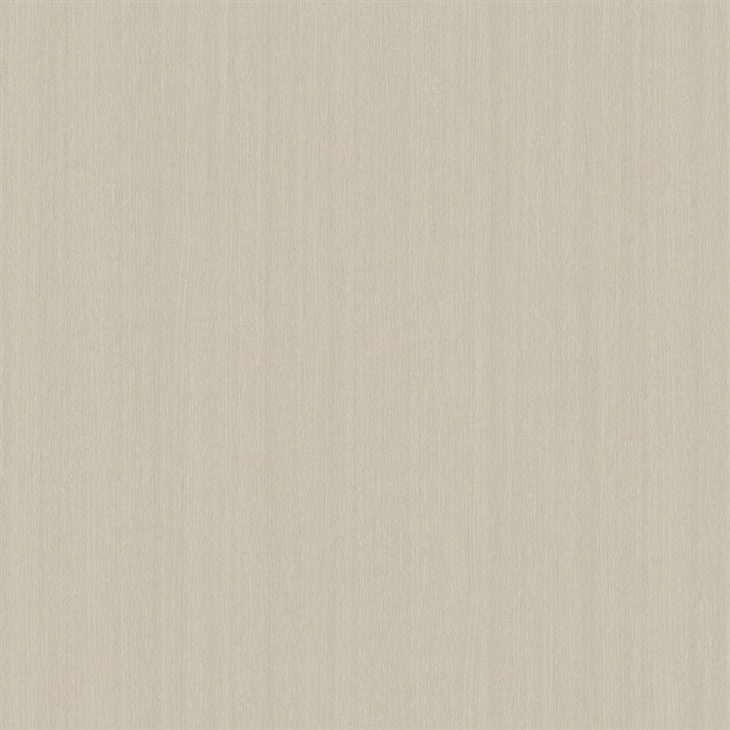

E1 Melamine Paper offers a cost - effective alternative without sacrificing much in terms of visual texture. It allows for a wide range of wood - like textures at a fraction of the cost of real wood. This makes it an attractive option for budget - conscious projects without compromising on the overall aesthetic.
Applications and Suitability
Real wood is often the preferred choice for high - end furniture, luxury interior design, and projects where the natural texture and authenticity are highly valued. It is commonly used in fine dining tables, antique - style cabinets, and high - end flooring.
E1 Melamine Paper is widely used in mass - produced furniture, kitchen cabinets, and office furniture. Its durability, cost - effectiveness, and consistent texture make it suitable for large - scale projects. It is also a popular choice for DIY projects due to its ease of use.
Conclusion
In conclusion, both E1 Melamine Paper and real wood have their own unique texture characteristics. Real wood offers a natural, authentic, and tactile experience that is hard to match, but it comes with higher costs and more maintenance requirements. E1 Melamine Paper, on the other hand, provides a cost - effective, durable, and consistent alternative that can closely mimic the look of real wood.
As a supplier of E1 Melamine Paper, I understand the diverse needs of our customers. Whether you are looking for a budget - friendly option with a realistic wood texture or a high - end, natural wood look, we can provide the right solution for your project. If you are interested in learning more about our E1 Melamine Paper products or would like to discuss a potential purchase, please feel free to reach out. We are committed to providing high - quality products and excellent customer service.
References
- "Wood Handbook: Wood as an Engineering Material", Forest Products Laboratory
- "Decorative Papers: Technology and Applications", Various industry reports