

Hey there! As a supplier of E1 Melamine Paper, I often get asked how it stacks up against veneer in terms of performance. Well, let's dive right in and break it down.
Appearance
First off, let's talk about how they look. Veneer has this natural, organic charm that's hard to beat. It's made from real wood, so you get all those unique grain patterns, knots, and color variations that give each piece a one - of - a - kind look. It's like having a little slice of nature right on your furniture or cabinet. Whether it's oak, walnut, or cherry, veneer can add a touch of luxury and sophistication to any space.
On the other hand, E1 Melamine Paper has come a long way in terms of appearance. Modern printing technology allows it to mimic the look of real wood incredibly well. You can find melamine paper that looks just like expensive hardwoods, and it's available in a wide range of colors and patterns. Plus, it's more consistent in appearance compared to veneer. With veneer, you might have some pieces with more prominent knots or color differences, which can be a problem if you're going for a very uniform look. But with E1 Melamine Paper, you can get that same wood - like look across all your pieces without any unexpected variations.

Durability
When it comes to durability, both E1 Melamine Paper and veneer have their strengths and weaknesses. Veneer is real wood, so it can be quite durable if it's properly cared for. However, it's also more susceptible to scratches, dents, and water damage. If you spill a glass of water on a veneer surface and don't clean it up right away, it can cause the wood to warp or stain. And those beautiful grain patterns can also be a bit of a double - edged sword. If the veneer gets scratched, it can be quite noticeable.
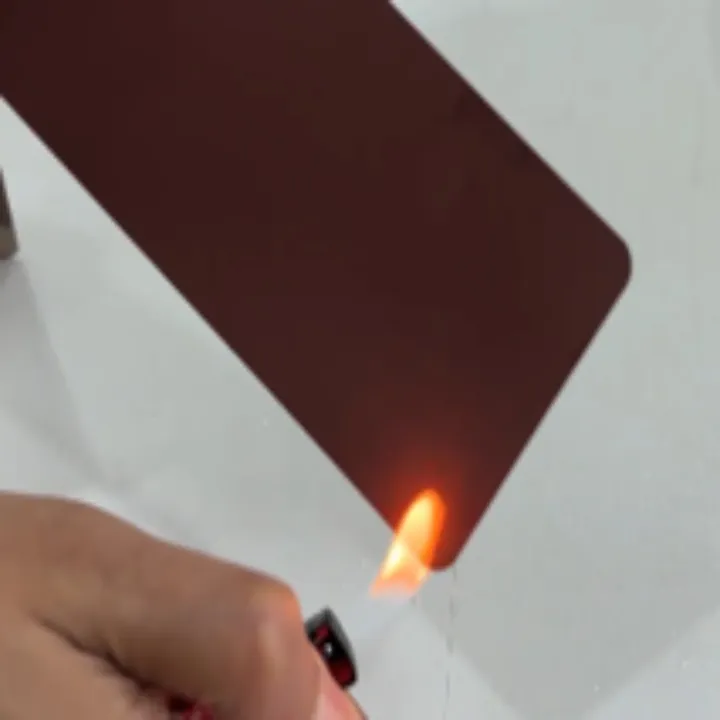
E1 Melamine Paper, on the other hand, is more resistant to scratches and stains. It's made by impregnating paper with melamine resin, which creates a hard, protective surface. For example, our Stain - resistant Melamine Paper is designed to withstand everyday wear and tear. You can wipe up spills easily, and it won't show scratches as easily as veneer. It's also more resistant to moisture compared to veneer. Of course, it's not indestructible, but it can handle a lot more abuse in a typical household or commercial setting.
Cost
Cost is always a big factor when choosing between materials. Veneer is generally more expensive than E1 Melamine Paper. The process of harvesting, processing, and applying veneer is more labor - intensive, and the cost of real wood can be quite high, especially for rare or high - quality species. If you're on a tight budget, veneer might not be the best option.
E1 Melamine Paper is a more cost - effective alternative. It's cheaper to produce, and it's easier to install. You can get a similar look to veneer at a fraction of the cost. This makes it a popular choice for budget - conscious consumers and for large - scale projects where cost savings can really add up.
Installation
Installing veneer can be a bit of a challenge. It requires some skill and experience to get a smooth, seamless finish. You have to carefully cut the veneer to fit the surface, and then use special adhesives to attach it. And if you make a mistake during the installation, it can be difficult to fix. You might end up with air bubbles or wrinkles, which can ruin the look of the finished product.
Installing E1 Melamine Paper is much simpler. It can be applied using a variety of methods, including heat - pressing or adhesive. It's easier to cut and shape, and you don't need as much skill to get a good result. Even if you're a DIY enthusiast, you can probably handle installing melamine paper on your own.
Environmental Impact
In today's world, environmental impact is an important consideration. Veneer is made from real wood, which is a renewable resource. However, the logging and processing of wood can have a significant environmental impact if not done sustainably. You need to make sure that the veneer you're using comes from well - managed forests.
E1 Melamine Paper is also relatively eco - friendly. The "E1" rating means that it emits low levels of formaldehyde, which is a good thing for indoor air quality. And since it doesn't require as much wood as veneer, it can be a more sustainable option in terms of resource conservation. Some melamine papers, like our HPL Fireproof Skin, are also designed to be fire - resistant, which can add an extra layer of safety in certain applications.
Re - veneering and Refinishing
If you want to change the look of a veneer surface, you can sometimes re - veneer it. However, this is a complex and expensive process. You have to remove the old veneer carefully without damaging the underlying surface, and then apply new veneer. It's not something that most people can do on their own, and it can be quite costly.
With E1 Melamine Paper, refinishing is much easier. If you get tired of the look of your melamine - covered furniture, you can simply remove the old paper and apply a new one. It's a relatively inexpensive and straightforward process that you can do yourself if you want to. And if you're interested in a more high - end look, we also offer Re - veneering Technology Wood Veneer, which combines the best of both worlds.
Conclusion
So, which one is better, E1 Melamine Paper or veneer? Well, it really depends on your needs and preferences. If you're looking for a natural, luxurious look and you're willing to spend more and take extra care of the surface, veneer might be the way to go. But if you want a cost - effective, durable, and easy - to - maintain option with a consistent appearance, E1 Melamine Paper is a great choice.
As a supplier of E1 Melamine Paper, I'm confident in the quality and performance of our products. We offer a wide range of options to suit different needs, whether you're looking for a simple wood - like finish or something more specialized. If you're interested in learning more about our E1 Melamine Paper or have any questions about how it compares to veneer, don't hesitate to reach out. We're here to help you make the best choice for your project.
References
- "Wood Veneer: Properties and Applications" - Woodworking Journal
- "Melamine Resin - Impregnated Papers: A Review" - Polymer Science Magazine
- "Environmental Impact of Wood and Composite Materials" - Green Building Report