

Hey there! I'm an E1 Melamine Paper supplier, and I often get asked if E1 Melamine Paper can be used in high - temperature environments. Well, let's dive right into it and find out.
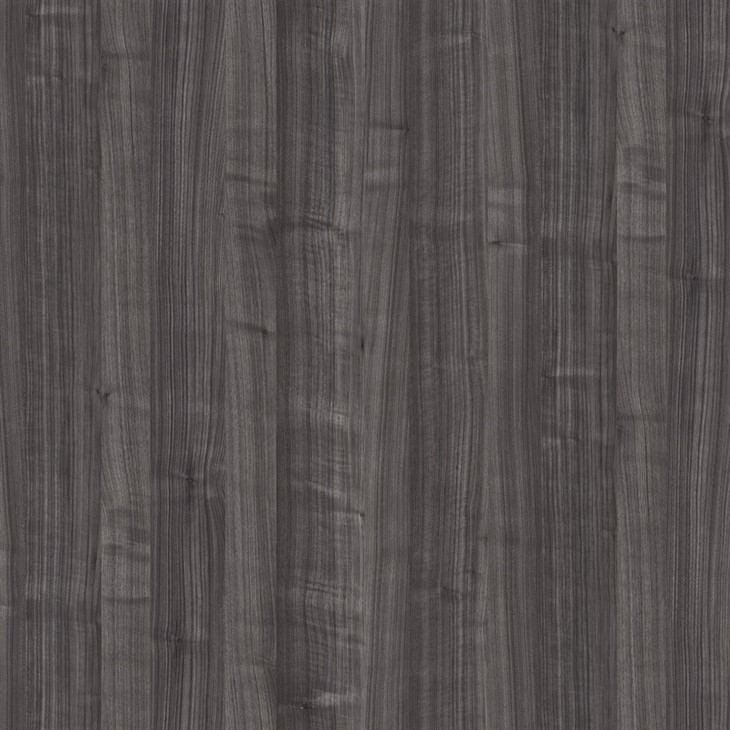

First off, let's understand what E1 Melamine Paper is. E1 Melamine Paper is a type of decorative paper that's been impregnated with melamine resin. It's known for its good looks, durability, and relatively low formaldehyde emission, meeting the E1 environmental standard. You can check out more about it E1 Melamine Paper.
Now, when it comes to high - temperature environments, things get a bit tricky. Melamine resin has a certain heat resistance, but it's not infinite. Under normal circumstances, E1 Melamine Paper can withstand moderate temperatures. It's commonly used in furniture manufacturing, cabinetry, and interior decoration, where the temperature is usually within a normal range.
However, high - temperature environments are a different story. The heat resistance of E1 Melamine Paper mainly depends on the quality of the melamine resin and the manufacturing process. Most E1 Melamine Papers start to show signs of deterioration when exposed to temperatures above 100°C (212°F). At high temperatures, the melamine resin may start to break down, which can lead to a loss of its physical properties.
One of the first things you'll notice is a change in appearance. The paper may start to discolor, warp, or even blister. This is because the heat causes the resin to expand and contract unevenly, which can damage the paper's structure. In some cases, the adhesive that bonds the melamine paper to the substrate may also fail, causing the paper to peel off.
Another concern is the release of formaldehyde. Although E1 Melamine Paper meets the E1 environmental standard, high temperatures can accelerate the release of formaldehyde. This is not only a problem for the longevity of the product but also for the health of people in the vicinity. Formaldehyde is a known carcinogen, and increased exposure can cause respiratory problems, skin irritation, and other health issues.
So, does this mean that E1 Melamine Paper is completely useless in high - temperature environments? Not necessarily. There are some situations where it can still be used, but with precautions. For example, if the high - temperature exposure is short - term or intermittent, E1 Melamine Paper may be able to handle it. You can also use additional insulation or heat - resistant barriers to protect the paper from direct heat.
If you're in a situation where you need a material that can withstand high temperatures, you might want to consider alternatives. HPL Fireproof Skin is a great option. It's designed to be fire - resistant and can handle much higher temperatures than E1 Melamine Paper. It's commonly used in commercial kitchens, industrial settings, and other high - heat areas.
On the other hand, if you're looking for an even more environmentally friendly option with better heat resistance, you can check out E0 Melamine Paper. It has a lower formaldehyde emission and may have better heat - resistant properties depending on the specific product.
In conclusion, while E1 Melamine Paper is a versatile and widely used material, it's not suitable for continuous high - temperature environments. If you're planning to use it in an area with high temperatures, make sure to assess the risks and consider alternatives.
If you're still interested in using E1 Melamine Paper for your project, we're here to help. As a supplier, we have a wide range of E1 Melamine Paper products to meet your needs. Whether you're in the furniture industry, construction, or any other related field, we can provide you with high - quality products and professional advice. If you want to learn more or start a procurement discussion, don't hesitate to get in touch. We're always happy to chat about your requirements and find the best solution for you.
References:
- Furniture Manufacturing Handbook
- Interior Decoration Materials Guide